
Delve into the world of auto policy quotes for new and used vehicles, where the intricacies of insurance coverage and pricing come to light. From understanding the importance of comparison to exploring the customization options available, this guide aims to equip you with the knowledge needed to make informed decisions.
Overview of Auto Policy Quotes
When it comes to purchasing auto insurance, comparing policy quotes for both new and used vehicles is crucial in ensuring you get the best coverage at the most competitive price.
Factors Affecting Auto Policy Quotes
- Your driving record: A clean driving record typically results in lower premiums, while accidents or traffic violations can lead to higher quotes.
- Type of vehicle: The make, model, and age of your vehicle can impact the cost of your auto insurance policy.
- Location: Where you live and park your car can affect your insurance rates due to factors such as crime rates and traffic congestion.
- Coverage options: The type and amount of coverage you choose will directly impact the overall cost of your auto insurance policy.
Types of Coverage Options
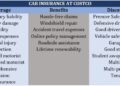
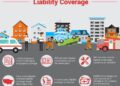
- Liability coverage: This covers damages and injuries to others in an accident where you are at fault.
- Collision coverage: This pays for repairs to your vehicle in the event of a collision with another vehicle or object.
- Comprehensive coverage: This protects your vehicle from non-collision incidents such as theft, vandalism, or natural disasters.
- Uninsured/underinsured motorist coverage: This covers damages if you are in an accident with a driver who has insufficient insurance or no insurance at all.
Obtaining Auto Policy Quotes
When looking to obtain auto policy quotes for new and used vehicles, there are a few key steps to follow in order to make an informed decision.
Process of Obtaining Auto Policy Quotes
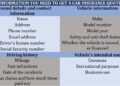
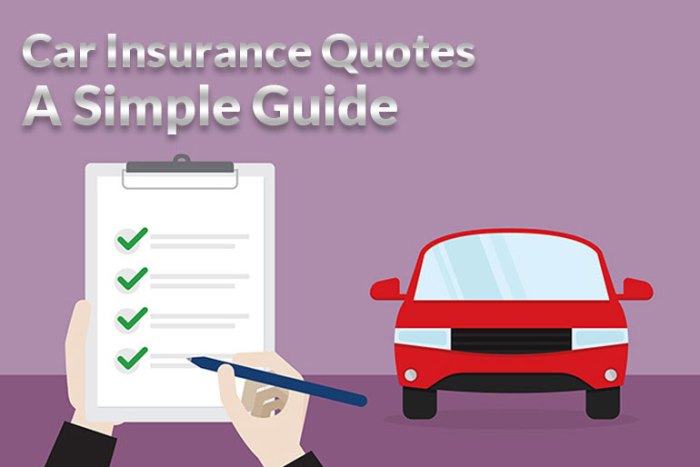
1. Research and gather information about your vehicle: Before requesting quotes, make sure you have all the necessary details about your vehicle, including the make, model, year, and VIN number.
2. Contact insurance providers: Reach out to different insurance companies either online or by phone to request quotes for your specific vehicle.
3. Provide accurate information: Be honest and accurate when providing information to insurance providers to ensure you receive accurate quotes.
4. Compare quotes: Once you have received quotes from multiple providers, compare the coverage options, deductibles, and premiums to find the best policy for your needs.
Tips for Comparing Quotes
- Consider the coverage options: Make sure you understand what each policy covers and choose the one that best fits your needs.
- Look at deductibles: Compare the deductibles for each policy and choose one that you can comfortably afford in case of a claim.
- Check for discounts: Inquire about any discounts that may be available, such as multi-policy discounts or safe driver discounts, to lower your premium.
- Read the fine print: Pay attention to any exclusions or limitations in the policy to avoid surprises in the future.
Role of Online Platforms
Online platforms play a significant role in obtaining auto policy quotes by providing a convenient way to compare quotes from multiple insurance providers in one place.
These platforms allow you to input your information once and receive quotes from various companies, saving you time and effort in the process.
Additionally, online platforms often provide tools and resources to help you understand the different coverage options and make an informed decision when choosing a policy.
Factors Influencing Auto Policy Quotes
When insurance companies determine auto policy quotes, they take into account various factors that can influence the cost of coverage. Understanding these key factors is essential for individuals seeking to obtain the most suitable and affordable auto insurance policy.
Age of the Vehicle Impact on Policy Quotes for New and Used Vehicles
The age of the vehicle is a significant factor that insurance companies consider when calculating policy quotes. New vehicles typically have higher policy quotes due to their higher value, increased repair costs, and potential replacement expenses in case of damage or total loss.
On the other hand, used vehicles generally have lower policy quotes as they are less expensive to replace or repair. Insurance companies also consider the safety features, mileage, and overall condition of the vehicle when determining policy quotes.
Driver's History Impact on Auto Policy Quotes
The driver's history plays a crucial role in determining auto policy quotes. Insurance companies assess the driver's record, including past accidents, traffic violations, and claims history, to evaluate the level of risk associated with insuring the individual. A clean driving record with no accidents or violations typically results in lower policy quotes, as it indicates a lower risk of future claims.
Conversely, drivers with a history of accidents or traffic violations may face higher policy quotes due to the increased likelihood of filing claims in the future.
Customizing Auto Policies
Policyholders have the option to customize their auto policies to better suit their individual needs and circumstances. This customization allows them to add specific coverage options and features to their policy, ensuring they have the protection they require.
Add-Ons and Riders for Auto Policies
When customizing auto policies, policyholders can include add-ons or riders to enhance their coverage. Some common examples include:
- Gap insurance to cover the difference between the actual cash value of a vehicle and the amount still owed on a loan or lease in case of a total loss
- Rental car reimbursement to provide coverage for a rental vehicle while the insured car is being repaired after a covered claim
- Roadside assistance for services like towing, fuel delivery, and lockout assistance
Understanding Policy Exclusions and Limitations
It is crucial for policyholders to thoroughly understand the exclusions and limitations of their auto policy. By being aware of what is not covered or restricted by the policy, they can make informed decisions about additional coverage needs or adjustments to their policy.
Common exclusions and limitations may include:
- Exclusions for certain types of vehicles or activities, such as racing or off-road use
- Limitations on coverage for specific perils, such as natural disasters or acts of terrorism
- Exclusions for certain drivers or scenarios, like unlisted household members or driving under the influence
Closing Notes
As we conclude our discussion on auto policy quotes for new and used vehicles, it becomes evident that being well-informed is key to securing the right coverage at the best price. With factors influencing quotes and tips for customization in mind, you are now better prepared to navigate the world of auto insurance policies.
Clarifying Questions
What factors affect auto policy quotes?
Auto policy quotes can be influenced by various factors such as the driver's age, driving history, type of vehicle, coverage options, and even geographical location.
How can I effectively compare quotes from different insurance providers?
To compare quotes effectively, gather quotes from multiple providers, ensure they offer similar coverage, consider any discounts available, and review customer feedback or ratings.
Can I customize my auto policy to suit my needs?
Yes, policyholders can often customize their auto policies by adding specific coverage options, riders, or endorsements that align with their individual requirements.
What are policy exclusions and limitations?
Policy exclusions are specific situations or items not covered by your insurance policy, while limitations refer to the maximum amount your policy will pay for certain covered expenses. It's crucial to understand these to avoid surprises during claims.