
Automotive Insurance Quote Factors That Affect Pricing sets the stage for this enthralling narrative, offering readers a glimpse into a story that is rich in detail and brimming with originality from the outset.
As we delve deeper into the realm of automotive insurance quotes, we uncover the intricate web of factors that sway pricing, ranging from age and location to vehicle type and usage.
Factors affecting automotive insurance quotes
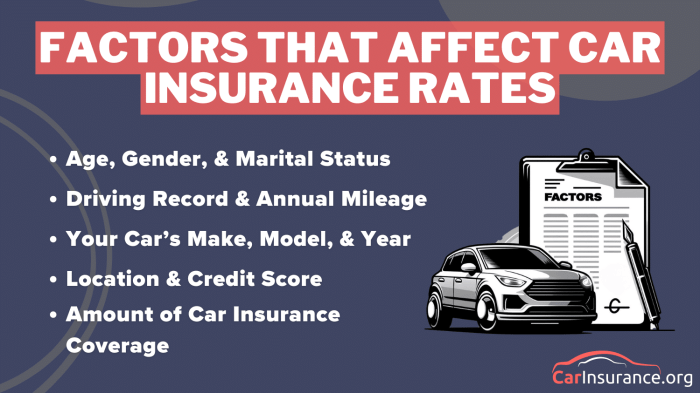
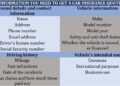
When it comes to determining the cost of automotive insurance, several key factors play a significant role in influencing the pricing. These factors can vary from one insurance company to another, but some common elements include age, location, driving record, type of vehicle, credit score, coverage limits, and deductibles.
Age
Age is a crucial factor that insurance companies consider when calculating premiums. Younger drivers, especially teenagers, tend to pay higher rates due to their lack of driving experience and higher likelihood of accidents. On the other hand, older, more experienced drivers typically receive lower premiums.
Location
Where you live can also impact your insurance costs. Urban areas with higher traffic congestion and crime rates may result in higher premiums compared to rural areas with lower risk factors.
Driving Record
Your driving history plays a significant role in determining your insurance quotes. Drivers with a clean record and no past traffic violations are likely to receive lower premiums, while those with a history of accidents or tickets may face higher costs.
Type of Vehicle
The make and model of your vehicle can influence insurance pricing as well. Sports cars or luxury vehicles typically come with higher premiums due to their higher repair costs and increased risk of theft.
Credit Score
Insurance companies may also take your credit score into account when determining premiums. A higher credit score can indicate financial responsibility and lead to lower insurance rates, while a lower score may result in higher costs.
Coverage Limits and Deductibles
The coverage limits and deductibles you choose can impact your insurance quotes. Opting for higher coverage limits or lower deductibles will generally result in higher premiums, while choosing lower coverage limits or higher deductibles can lower your costs.
Insurance Company Variations
It's important to note that different insurance companies may weigh these factors differently when calculating premiums. Some companies may place more emphasis on age and driving record, while others may prioritize credit score and type of vehicle. Comparing quotes from multiple insurers can help you find the best coverage at a competitive price.
Importance of the driver's age in insurance pricing
When it comes to determining insurance rates, the age of the driver plays a significant role in how premiums are calculated. Insurance companies use age as a key factor in assessing risk and setting prices, with younger and older drivers often facing higher costs.
Younger Drivers
Younger drivers, typically under the age of 25, are considered high-risk by insurance companies due to their lack of driving experience and higher likelihood of being involved in accidents. As a result, insurance premiums for this age group are usually higher to account for the increased risk.
Older Drivers
On the other end of the spectrum, older drivers, typically over the age of 65, may also face higher insurance rates. While older drivers tend to have more driving experience, age-related factors such as declining eyesight or slower reaction times can lead to an increased risk of accidents.
Ways to Lower Insurance Costs
- Take a defensive driving course: Completing a defensive driving course can help demonstrate your commitment to safe driving and potentially lower your insurance premiums.
- Bundle policies: Combining auto insurance with other policies like home or life insurance from the same provider can often result in discounts.
- Drive a safer vehicle: Choosing a car with advanced safety features can reduce the risk of accidents and may lead to lower insurance costs.
- Shop around for quotes: Don't settle for the first insurance quote you receive. Compare rates from multiple insurers to find the best deal for your age group.
Regional factors influencing insurance pricing
Location plays a significant role in determining insurance premiums. Differences in insurance rates between urban and rural areas can be attributed to various regional factors such as weather patterns, crime rates, and traffic congestion.
Weather Patterns
Weather patterns in specific regions can impact insurance pricing. Areas prone to natural disasters like hurricanes or tornadoes may have higher insurance premiums due to increased risk of damage to vehicles.
Crime Rates
Regions with high crime rates may experience higher insurance premiums. Car theft and vandalism are common in areas with high crime rates, leading to increased insurance costs to mitigate the risk.
Traffic Congestion
Traffic congestion in urban areas can affect insurance pricing. Higher traffic congestion often results in more accidents, leading to higher insurance premiums to cover the increased likelihood of claims.
Impact of vehicle type and usage on insurance costs
When it comes to determining insurance costs, the type of vehicle you drive and how you use it can play a significant role. Factors such as the make, model, age of the vehicle, intended use (personal or business), safety features, mileage, and modifications all impact insurance premiums.
Make, Model, and Age of the Vehicle
The make, model, and age of your vehicle are crucial factors in determining insurance premiums. Generally, newer and more expensive cars will cost more to insure due to higher repair or replacement costs. Additionally, certain makes and models may be more prone to theft or have higher repair costs, leading to increased insurance rates.
Intended Use of the Vehicle
Whether you use your vehicle for personal or business purposes can also affect insurance pricing. Commercial vehicles or those used for ridesharing may have higher premiums due to increased risk and mileage. On the other hand, vehicles primarily used for personal commuting may have lower insurance costs.
Safety Features, Mileage, and Modifications
Vehicles equipped with safety features such as anti-theft devices, airbags, and backup cameras may qualify for discounts on insurance premiums. Additionally, lower mileage vehicles are typically associated with lower risk and may result in lower insurance rates. However, modifications such as engine upgrades or aftermarket parts can increase premiums due to the potential for higher repair costs.
Last Point
In conclusion, understanding the nuances of automotive insurance quote factors that affect pricing is essential for making informed decisions and securing the best coverage. Navigating through the maze of premium determinants can lead to significant savings and tailored protection for your vehicle.
Helpful Answers
How does credit score impact insurance pricing?
Insurance companies often consider credit score as an indicator of financial responsibility, with lower scores potentially leading to higher premiums. Maintaining a good credit score can help lower insurance costs.
Are there ways to lower insurance costs for younger drivers?
Younger drivers can explore options such as taking defensive driving courses, choosing a safe vehicle, and being added to a parent's policy to potentially reduce their insurance expenses.
What role does mileage play in determining insurance costs?
Higher mileage typically translates to more time on the road, increasing the risk of accidents. Insurance companies may adjust premiums based on the estimated annual mileage of a vehicle.