
Delving into the realm of siding materials and their regional and climatic nuances, this piece aims to shed light on the diverse choices influenced by geography and weather conditions. Prepare to uncover the intricate interplay between siding materials and their surroundings.
In the following paragraphs, we will navigate through the specific considerations and factors that shape the selection of siding materials in various regions and climates.
Regional Variations in Siding Materials
When it comes to siding materials, different regions across the globe showcase a distinct preference based on factors like climate, architectural styles, and local availability. Let's explore how siding materials vary by region.
Popular Siding Materials by Region
- In coastal areas prone to high humidity and salt exposure, materials like vinyl and fiber cement are popular due to their durability against moisture.
- In regions with extreme temperature variations, such as the Midwest in the United States, wood siding is commonly used for its insulation properties.
- In arid climates like the Southwest, stucco is a prevalent choice as it helps regulate indoor temperatures and offers a smooth finish suitable for the desert landscape.
Climate Influence on Siding Materials
- Regions with heavy rainfall often opt for materials like brick or stone that can withstand moisture without deteriorating over time.
- In areas prone to strong winds or hurricanes, impact-resistant materials like metal or fiber cement are preferred to protect homes from damage.
- Cold regions with harsh winters tend to choose siding materials like engineered wood or insulated vinyl to provide additional thermal protection.
Impact of Regional Architecture
- Traditional architectural styles in a region can influence the choice of siding materials, with areas known for colonial homes often using wood clapboard siding for a classic look.
- In modern urban centers, materials like metal or composite panels are favored to complement contemporary building designs and provide a sleek appearance.
- Regions with a focus on sustainability may opt for eco-friendly siding materials like bamboo or recycled wood to align with environmentally conscious practices.
Siding Materials for Hot Climates
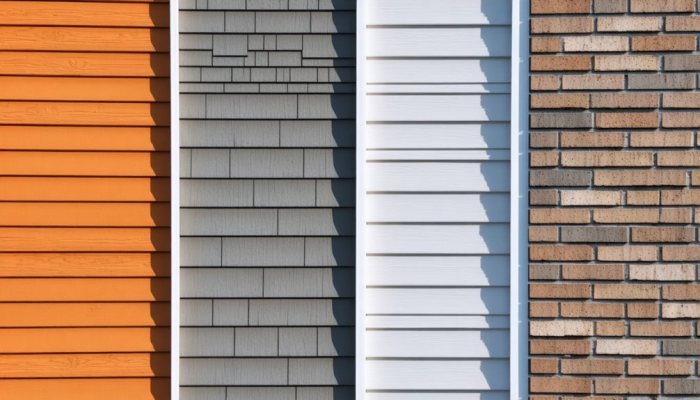
Hot and arid regions require siding materials that can withstand extreme temperatures and help regulate indoor temperatures effectively.
Best Siding Materials for Hot Climates
When it comes to hot climates, some of the best siding materials include:
- 1. Vinyl Siding: Vinyl siding is a popular choice for hot climates due to its durability, low maintenance, and ability to reflect heat away from the house.
- 2. Fiber Cement Siding: Fiber cement siding is known for its resistance to heat, fire, and moisture, making it a suitable option for hot and arid regions.
- 3. Stucco: Stucco is a traditional siding material that helps regulate indoor temperatures by providing natural insulation against heat.
Regulating Indoor Temperatures
Specific siding materials like stucco and fiber cement can help regulate indoor temperatures in hot climates by providing insulation and reducing heat transfer. They help keep the interior cool during scorching summers and reduce the need for excessive air conditioning.
Importance of Durability
Choosing durable siding materials is crucial for hot climates to withstand the harsh sun exposure and extreme temperatures. Durable siding not only ensures longevity but also helps maintain the structural integrity of the house in challenging weather conditions.
Siding Materials for Cold Climates
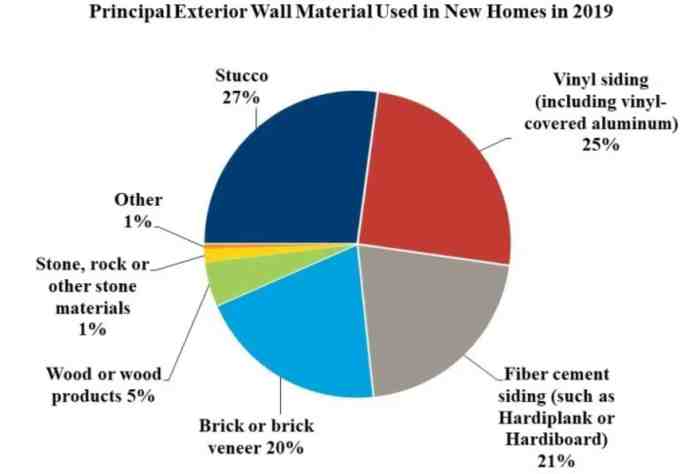
In cold climates with heavy snowfall and freezing temperatures, choosing the right siding materials is crucial to protect your home and ensure energy efficiency.
Suitable Siding Materials for Cold and Snowy Climates
When it comes to cold climates, siding materials need to be durable, weather-resistant, and provide adequate insulation. Some of the most suitable siding materials include:
- Vinyl Siding: Known for its durability and low maintenance, vinyl siding can withstand extreme cold temperatures and is resistant to moisture.
- Fiber Cement Siding: This material is resistant to cracking, rot, and pests, making it ideal for cold climates. It also offers good insulation properties.
- Engineered Wood Siding: Engineered wood siding provides the look of natural wood but with enhanced durability and resistance to moisture, making it a good choice for cold regions.
Insulation Properties of Siding Materials in Cold Regions
The insulation properties of siding materials play a crucial role in maintaining indoor temperature and reducing energy costs in cold climates. Different siding materials offer varying levels of insulation:
- Vinyl Siding: While vinyl siding is not the most insulating material, it can be paired with additional insulation layers to improve energy efficiency.
- Fiber Cement Siding: Fiber cement siding has better insulation properties compared to vinyl and can help reduce heat loss during cold winters.
- Engineered Wood Siding: Engineered wood siding provides decent insulation, helping to keep the home warm in cold climates.
Impact of Frost and Moisture on Siding Materials in Cold Climates
In cold climates, frost and moisture can pose a significant threat to siding materials, leading to damage and reduced lifespan. The impact of frost and moisture on siding materials includes:
- Cracking: Frost can cause water trapped in siding materials to expand and contract, leading to cracks and damage.
- Mold and Mildew Growth: Moisture buildup can create a conducive environment for mold and mildew to grow on siding materials, compromising their integrity.
- Rot: Constant exposure to moisture in cold climates can result in rotting of certain siding materials, requiring frequent maintenance and repairs.
Coastal Region Siding Materials
In coastal regions, siding materials face unique challenges due to the harsh conditions they are exposed to, such as high humidity, saltwater exposure, and strong winds. These factors can significantly impact the durability and longevity of siding materials.
Moisture Resistance in Siding Materials
One of the most critical factors to consider when choosing siding materials for coastal regions is their moisture resistance. High levels of humidity and frequent exposure to moisture can lead to mold, mildew, and rot, compromising the structural integrity of the siding.
Therefore, opting for siding materials with excellent moisture resistance is essential to ensure longevity and durability.
Saltwater Exposure and Longevity
Saltwater exposure can have a detrimental effect on siding materials, accelerating their deterioration. Certain siding materials, such as wood, may warp, rot, or decay when exposed to saltwater, leading to the need for frequent repairs or replacements. In contrast, materials like fiber cement or vinyl siding are more resistant to saltwater damage and can offer better longevity in coastal regions.
Final Summary
As we draw the curtains on our exploration of how siding materials adapt to different regions and climates, it becomes evident that the choice of siding is not merely functional but deeply intertwined with environmental elements. Dive into the world of siding materials with newfound appreciation for the craftsmanship and science behind their selection.
Detailed FAQs
What are the best siding materials for hot climates?
The best siding materials for hot climates are typically those with high heat resistance and durability, such as fiber cement or stucco.
How do insulation properties vary among siding materials for cold regions?
Insulation properties can vary significantly among siding materials for cold regions, with options like vinyl siding offering better thermal insulation compared to others.
What unique challenges do siding materials face in coastal areas?
Siding materials in coastal areas often face challenges related to high moisture levels, saltwater exposure, and increased risk of corrosion due to the sea air.