
Delving into Shop for Car Insurance: Tips to Lower Your Premium, this introduction immerses readers in a unique and compelling narrative, with casual formal language style that is both engaging and thought-provoking from the very first sentence.
When it comes to finding the right car insurance, understanding how to lower your premium is key. This guide will walk you through important tips and strategies to help you make informed decisions and potentially save money on your car insurance policy.
Researching Car Insurance Providers

When looking for car insurance, it's essential to research different providers to find the best coverage at the most competitive rates. Here are some tips on how to effectively research car insurance providers:
Factors to Consider When Comparing Insurance Companies
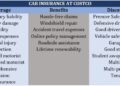
- Policy Coverage: Look into the types of coverage offered by each insurance provider and ensure it meets your needs.
- Premium Rates: Compare premiums from different companies to find the most affordable option without compromising on coverage.
- Customer Service: Check reviews and ratings to gauge the level of customer service provided by each insurance company.
- Claims Process: Research how each company handles claims and the ease of the claims process.
- Discounts: Inquire about available discounts that you may qualify for to lower your premium.
Importance of Reading Reviews and Ratings
Reading reviews and ratings for insurance companies can provide valuable insights into the experiences of other customers. It can help you gauge the reliability, customer service, and overall satisfaction levels of each provider. Look for reviews on independent websites or platforms to get a balanced perspective before making a decision.
Understanding Car Insurance Coverage
Car insurance coverage is essential to protect yourself and your vehicle in case of unforeseen events. It is crucial to understand the different types of coverage available to make an informed decision.
Types of Car Insurance Coverage
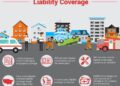
- Liability Coverage: This type of insurance covers bodily injury and property damage that you may cause to others in an accident.
- Collision Coverage: Collision coverage helps pay for repairs to your own vehicle in case of a collision with another vehicle or object.
- Comprehensive Coverage: Comprehensive coverage protects your car from damage not caused by a collision, such as theft, vandalism, or natural disasters.
- Uninsured/Underinsured Motorist Coverage: This coverage helps pay for damages if you are in an accident caused by a driver who doesn't have insurance or enough insurance.
Minimum Insurance Requirements
In most states, there are minimum insurance requirements that drivers must meet. These requirements typically include liability coverage for bodily injury and property damage. It is important to check the specific requirements in your state to ensure compliance.
Optional Coverage Types
- Rental Reimbursement: This coverage helps pay for a rental car while your vehicle is being repaired after an accident.
- Roadside Assistance: Roadside assistance coverage provides services like towing, tire changes, and fuel delivery in case of a breakdown.
- GAP Insurance: GAP insurance covers the difference between the actual cash value of your car and the amount you owe on a loan or lease if your car is totaled.
Factors Affecting Car Insurance Premiums
When it comes to car insurance premiums, several factors can influence the cost of coverage. Understanding these factors is crucial in finding ways to lower your insurance premium.Age, Driving Record, and Type of Vehicle:Age plays a significant role in determining car insurance premiums
Typically, younger drivers under the age of 25 are considered high-risk drivers and may face higher premiums. On the other hand, older, more experienced drivers usually enjoy lower rates. Your driving record also plays a crucial role in determining your insurance costs.
A clean driving record with no accidents or traffic violations can lead to lower premiums. Additionally, the type of vehicle you drive can impact insurance costs. Sports cars and luxury vehicles usually come with higher insurance premiums due to their higher risk of theft or accidents.Location and Mileage Driven:Your location can also affect your car insurance premiums.
Urban areas with higher crime rates or traffic congestion may result in higher premiums compared to rural areas. Insurers consider the likelihood of accidents and theft based on where you live. Moreover, the number of miles you drive annually can influence your insurance rates.
The more you drive, the higher the risk of being involved in an accident, leading to increased premiums.
Tips to Lower Car Insurance Premiums
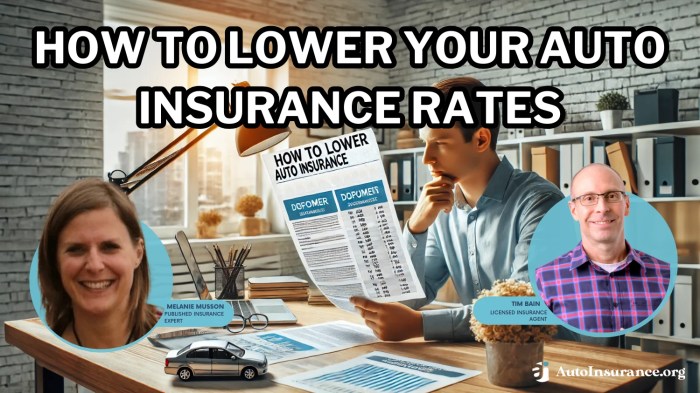
When it comes to car insurance, there are several ways to lower your premiums and save money. By being proactive and making smart choices, you can potentially reduce the cost of your coverage. Let's explore some tips that can help you lower your car insurance premiums.
Bundling Insurance Policies
One effective way to lower your car insurance premiums is by bundling your insurance policies. This means purchasing multiple types of insurance, such as auto and home insurance, from the same provider. By doing so, insurance companies often offer discounts for bundling, which can result in significant savings on your premiums.
Maintaining a Good Credit Score
Another factor that can help lower your car insurance premiums is maintaining a good credit score. Insurance companies often use credit scores as a factor in determining premiums, as individuals with higher credit scores are typically seen as less risky to insure.
By keeping a good credit score, you can potentially qualify for lower premiums on your car insurance.
Closing Notes
In conclusion, navigating the world of car insurance can seem daunting, but armed with the right knowledge and tips provided in this guide, you can approach it with confidence. Remember, researching, understanding coverage options, and knowing how to lower your premium are essential steps in securing the best insurance for your needs.
Expert Answers
What factors should I consider when comparing insurance companies?
When comparing insurance companies, consider factors such as coverage options, customer service reviews, premium costs, discounts offered, and the company's financial stability.
How can maintaining a good credit score help reduce car insurance premiums?
Insurance companies often use credit scores as a factor in determining premiums. A good credit score can demonstrate financial responsibility, leading to lower insurance rates.
What are some optional coverage types and their benefits?
Optional coverage types include comprehensive coverage for non-collision damage, rental reimbursement for car rentals, and roadside assistance for emergencies. These add-ons provide extra protection and convenience.