
Exploring the profound effects of insulated siding on global energy bills, this insightful piece delves into the intricacies of how this innovative technology is revolutionizing energy efficiency worldwide. As we navigate through the details, a clearer picture emerges of the significant role insulated siding plays in shaping a more sustainable future for all.
Delving deeper into the nuances of insulated siding and its impact on energy consumption, this article aims to provide a comprehensive understanding of this game-changing solution.
The Definition of Insulated Siding
Insulated siding is a type of exterior cladding for buildings that incorporates a layer of insulation beneath the surface material. This is different from traditional siding, which typically consists of just a single layer of material without added insulation.
Materials Used in Insulated Siding
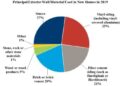
Insulated siding is often made from materials such as vinyl, fiber cement, or engineered wood. These materials are chosen for their durability, weather resistance, and energy efficiency properties. The insulation layer, usually made of foam, helps to reduce heat transfer through the walls of a building, thus improving energy efficiency.
Impact on Energy Efficiency
Properly installed insulated siding can significantly reduce energy bills by minimizing heat loss during the winter and heat gain during the summer. The added insulation helps to maintain a more stable indoor temperature, reducing the workload on heating and cooling systems.
This translates to lower energy consumption and costs over time.
Importance of Proper Installation
It is crucial that insulated siding is installed correctly to ensure maximum energy-saving benefits. Proper installation helps to prevent air leaks and gaps that can compromise the effectiveness of the insulation layer. Hiring experienced professionals for the installation process is recommended to achieve the best results in terms of energy efficiency and overall performance.
The Benefits of Insulated Siding
Installing insulated siding can have a significant impact on energy consumption, leading to lower energy bills and a more comfortable indoor environment.Insulated siding reduces energy consumption in several ways, primarily by providing an extra layer of insulation to the exterior walls of a building.
This added insulation helps to regulate indoor temperatures, reducing the need for heating and cooling systems to work as hard. As a result, less energy is required to maintain a comfortable temperature inside, leading to lower energy bills over time.Comparing energy bills before and after installing insulated siding often reveals a noticeable difference.
Homeowners typically see a decrease in their energy bills after the installation of insulated siding, as the improved insulation helps to keep indoor temperatures stable and reduce the workload on heating and cooling systems.In addition to cost savings, insulated siding contributes to a more comfortable indoor environment by minimizing temperature fluctuations.
With better insulation, homes stay warmer in the winter and cooler in the summer, creating a more consistent and pleasant atmosphere for occupants. This improved comfort can enhance the overall living experience and reduce the need for constant adjustments to heating and cooling settings.
Global Impact of Insulated Siding
Insulated siding has a significant global impact on energy consumption and carbon emissions. By providing thermal insulation and reducing the need for heating and cooling, countries around the world are benefiting from this innovative building material.
Countries Benefiting from Insulated Siding
- United States: The US has seen a widespread adoption of insulated siding in residential and commercial buildings, leading to substantial energy savings and reduced carbon footprint.
- Canada: With harsh winters, Canadian homes have greatly benefited from insulated siding, helping to lower heating costs and decrease energy consumption.
- Germany: Known for its commitment to sustainability, Germany has embraced insulated siding to improve energy efficiency and reduce greenhouse gas emissions.
Reducing Carbon Emissions
Insulated siding plays a crucial role in reducing carbon emissions on a global scale. By lowering energy consumption in buildings, the demand for fossil fuels decreases, resulting in a significant reduction in greenhouse gas emissions. This contributes to combating climate change and promoting environmental sustainability.
Energy Savings Worldwide
- Lower Heating and Cooling Costs: Insulated siding helps to maintain a consistent indoor temperature, reducing the need for heating in colder climates and cooling in warmer regions.
- Long-Term Cost Savings: While the initial investment in insulated siding may be higher, the long-term energy savings outweigh the upfront costs, leading to financial benefits for homeowners and businesses worldwide.
- Promoting Energy Efficiency: The widespread adoption of insulated siding can lead to a global shift towards energy-efficient buildings, ultimately reducing energy consumption and dependence on non-renewable resources.
Considerations When Choosing Insulated Siding
When selecting insulated siding for different climates, it is important to consider various factors to ensure optimal performance and energy efficiency. Choosing the right color and style of insulated siding can also have a significant impact on the overall aesthetics and functionality of your home.
Additionally, understanding the maintenance requirements of insulated siding is crucial for long-term durability and energy savings.
Factors to Consider When Selecting Insulated Siding for Different Climates
- Climate: Consider the climate of your region to choose insulated siding with the appropriate R-value for maximum energy efficiency.
- Maintenance: Select low-maintenance insulated siding options that can withstand the specific weather conditions in your area.
- Material: Choose insulated siding materials that are durable and resistant to factors like moisture, UV rays, and pests.
- Installation: Ensure proper installation of insulated siding to prevent air leakage and optimize insulation performance.
Importance of Choosing the Right Color and Style of Insulated Siding
- Energy Efficiency: Light-colored insulated siding can reflect sunlight and reduce heat absorption, lowering cooling costs in warmer climates.
- Aesthetics: The color and style of insulated siding can enhance the curb appeal of your home and complement its architectural design.
- Durability: Some colors and finishes may require more maintenance than others, so choose a color and style that aligns with your maintenance preferences.
Maintenance Requirements of Insulated Siding and Their Impact on Long-Term Energy Efficiency
- Cleaning: Regularly clean insulated siding to remove dirt, debris, and mold, which can affect its insulating properties.
- Inspection: Periodically inspect insulated siding for any damage or signs of wear and tear that may compromise its efficiency.
- Repairs: Promptly address any issues with insulated siding to prevent energy loss and maintain its performance over time.
Case Studies on Insulated Siding
Insulated siding has shown significant benefits in various real-life examples, with buildings and homes experiencing improved energy efficiency and cost savings. Let's delve into some case studies that highlight the impact of insulated siding.
Energy Savings in Residential Buildings
- In a study conducted in the Midwest region of the United States, a residential building retrofitted with insulated siding showed a 20% reduction in heating and cooling costs compared to a similar building without insulation.
- Another case in Canada demonstrated a 15% decrease in energy consumption after installing insulated siding, leading to substantial savings on utility bills for homeowners.
- These examples illustrate the tangible energy savings that can be achieved through the use of insulated siding in residential settings.
Commercial Building Retrofitting
- A commercial office building in Europe implemented insulated siding as part of a retrofitting project to improve energy efficiency. The building saw a 25% reduction in overall energy consumption, resulting in significant cost savings for the business.
- By reducing heat loss and improving insulation, the insulated siding helped create a more comfortable indoor environment for employees while lowering operational expenses.
Challenges of Widespread Adoption
- Despite the proven benefits of insulated siding, there are challenges associated with its widespread adoption, including initial installation costs and the need for skilled labor for proper installation.
- Additionally, some regions may have building regulations or aesthetic preferences that limit the use of insulated siding, posing barriers to its implementation on a larger scale.
- Addressing these challenges through education, incentives, and advancements in technology can help promote the broader adoption of insulated siding for energy-efficient buildings worldwide.
Ultimate Conclusion

In conclusion, the far-reaching implications of insulated siding on global energy bills cannot be overstated. With a focus on sustainability and efficiency, the utilization of insulated siding presents a promising path towards a greener and more cost-effective future.
FAQs
What are the main benefits of insulated siding?
Insulated siding reduces energy consumption, provides cost savings on energy bills, and creates a more comfortable indoor environment.
How does insulated siding contribute to global energy savings?
By reducing energy usage in buildings worldwide, insulated siding helps lower carbon emissions on a global scale, leading to significant energy savings.
What factors should be considered when choosing insulated siding?
Factors to consider include climate suitability, color and style choices, and maintenance requirements to ensure long-term energy efficiency benefits.